Alliteration
JamWise Education Team·Updated March 2026
Definition
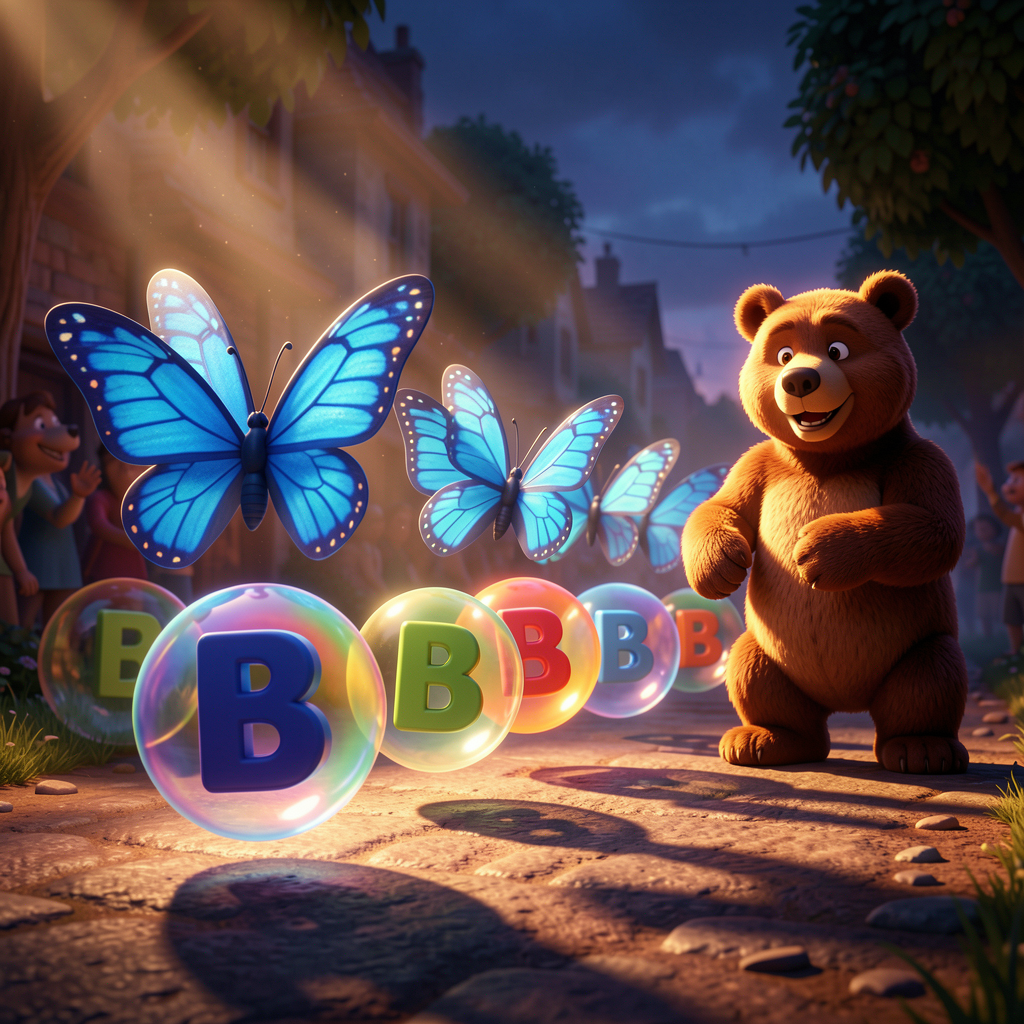
Alliteration is when words that are close together start with the same sound, like 'Sally sells seashells.'
Learning context
In 2nd grade English Language Arts, "alliteration" is part of the vocabulary students need for reading comprehension, writing, and oral communication. At the early elementary level, language skills expand rapidly, and understanding precise terminology helps students analyze texts, express ideas clearly, and engage with increasingly complex literary and informational materials.
Topic connection: literary-devices
This term belongs to the "literary-devices" topic within english language arts. The literary-devices strand introduces students to a cluster of related concepts that build on each other across grade levels. Exploring vocabulary within this topic helps students see connections between ideas and develop deeper, more flexible understanding of the subject matter as a whole.
Why music helps students learn vocabulary
Pairing vocabulary instruction with music is a long-standing way to help recall and retention. When students hear a term like "alliteration" embedded in a memorable melody, their brains form stronger associative connections between the word, its meaning, and the emotional context of the song.
JamWise builds on this with a curated library of songs for K-5 classrooms. Rather than drilling definitions from a word list, students encounter terms naturally within lyrics, absorbing meaning through context and repetition, then practice the same words in games.
Related vocabulary

Onomatopoeia
Onomatopoeia is a word that sounds like the noise it describes, like 'buzz,' 'pop,' 'crash,' or 'meow.'
Figurative language
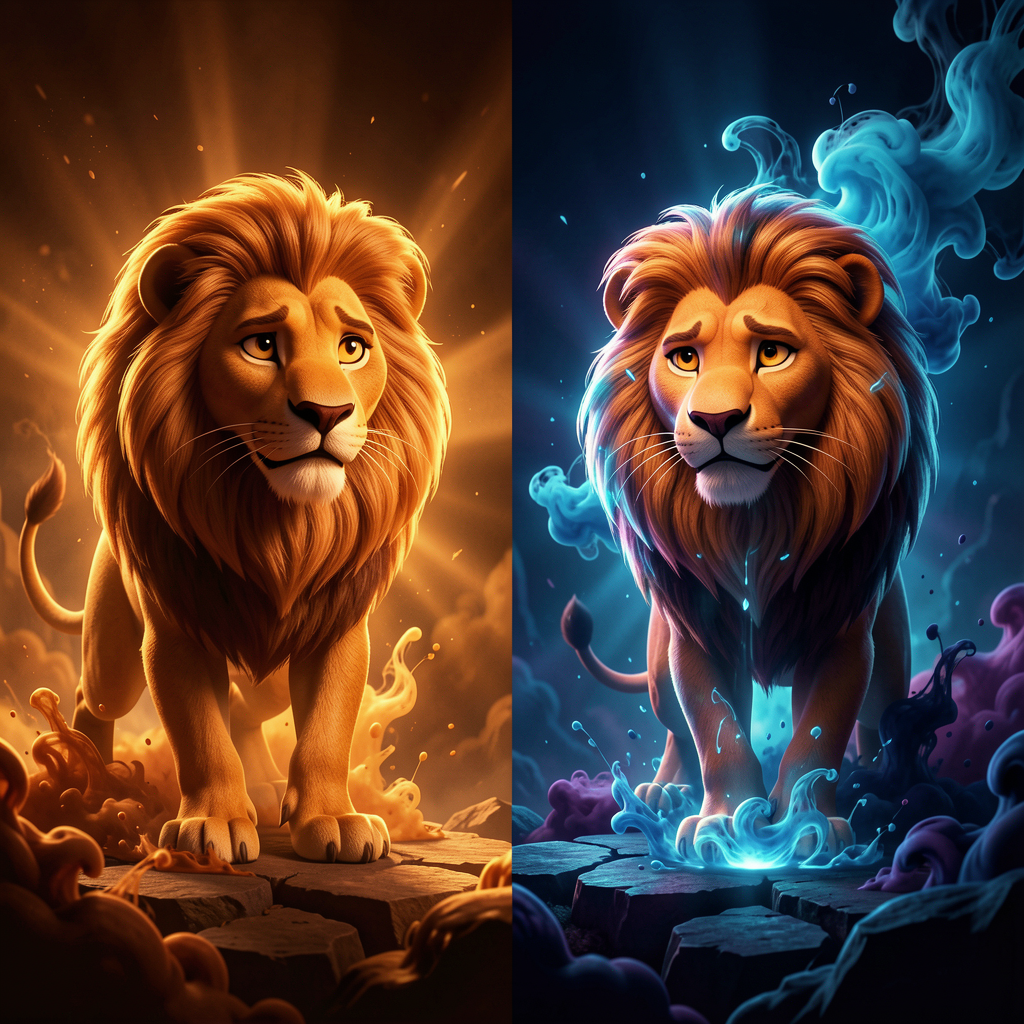
Figurative language is when words are used in a creative way that is not literally true, to help the reader imagine or feel something. Similes, metaphors, and idioms are all figurative language.

Flashback
A flashback is when the story jumps back in time to show something that happened before.

Foreshadowing
Foreshadowing is when the author gives hints or clues about what will happen later in the story.

Hyperbole
Hyperbole is a big exaggeration used to make a point or be funny, like 'I'm so hungry I could eat a horse.'
Idiom
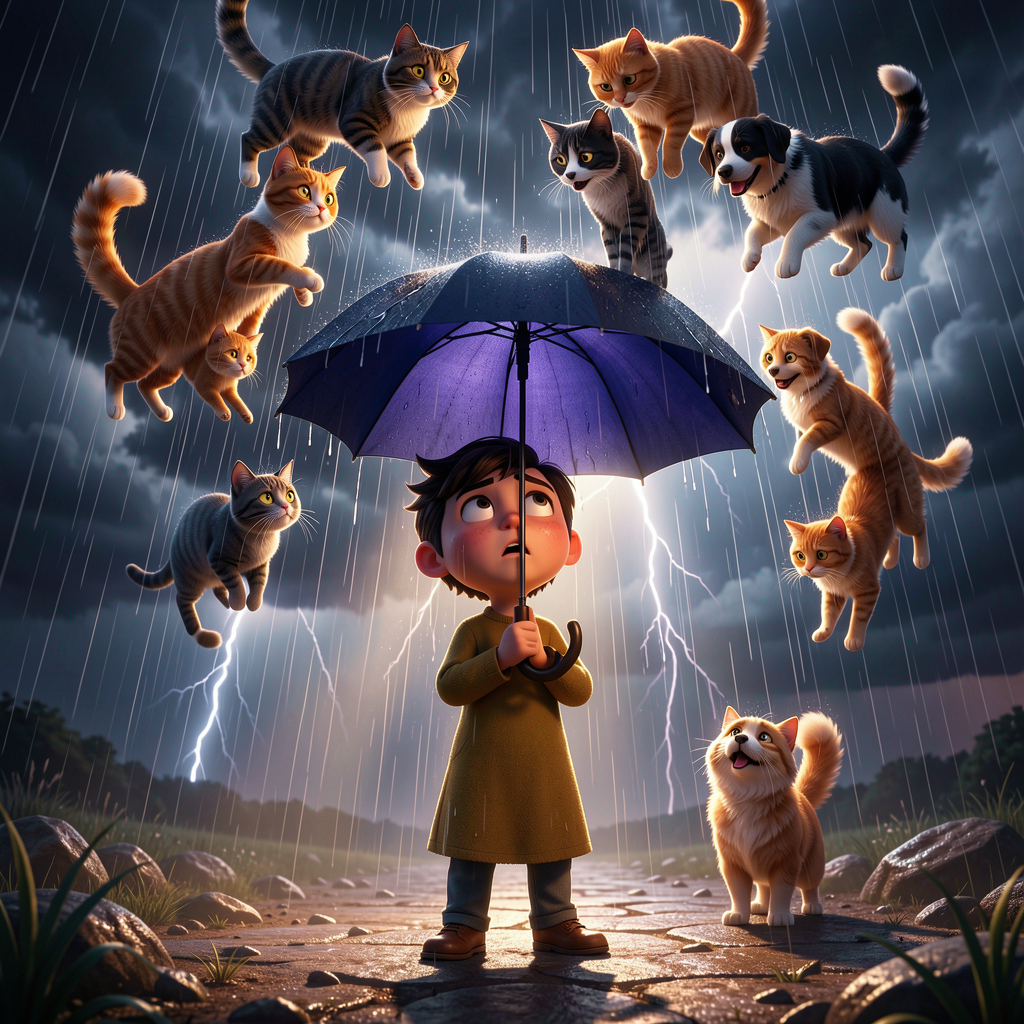
An idiom is a common phrase that means something different from what the words actually say, like 'It's raining cats and dogs.'

Imagery
Imagery is descriptive language that helps the reader see, hear, smell, taste, or feel what is being described.

Irony
Irony is when something happens that is the opposite of what you expected. A fire station burning down is ironic.
Frequently asked questions
Explore more
literary-devices vocabulary
All terms in the literary-devices topic
Learn moreEnglish Language Arts -- 2nd Grade
All english language arts terms for 2nd grade
Learn moreFull glossary
Browse all 1,100+ vocabulary terms
Learn moreLearning games
10 word games that reinforce vocabulary
Learn moreFor teachers
How JamWise works in the classroom
Learn more